
Why Your Child Is Bored All Summer (And Wants Screens All Day)
It’s summer vacation. You remember those days fondly, running around with your friends, coming home once it was dark, and lot’s of unsupervised fun. You’ve tried to create this for your child and your child has unlimited freedom, yet somehow they're bored all the time.

If you're hearing "I'm bored" every 10 minutes, constantly negotiating screen time, or noticing more meltdowns and emotional outbursts during summer break, you're not alone.
Many parents expect summer to feel easier. School is out, schedules are lighter, and there is more time for fun. Yet for many families, summer quickly becomes a season of screen time battles, boredom, sibling conflict, and frustration.
This is especially common for children with ADHD, anxiety, or emotional regulation challenges. What looks like freedom to adults can feel overwhelming to a child's developing brain.
Why Kids Want Screens All Day During Summer
One of the biggest complaints parents share during summer is that their child wants to be on screens constantly. They’ve provided all the toys, all the opportunity, and all the suggestions, yet there is constant begging to have more screen time.
While it's easy to assume children are simply choosing the easiest/laziest option, there's often more happening beneath the surface.
Immediate stimulation
Predictable rewards
Constant novelty
Relief from boredom
An easy way to avoid uncomfortable feelings
For children with ADHD, screens can be especially appealing because they provide the fast-paced stimulation their brains naturally seek. For anxious children, screens can offer an escape from uncertainty and boredom.
When summer removes the structure of school, sports, and activities, many children naturally gravitate toward the activity that requires the least effort and provides the most reward.
The Real Reason Your Child Is Always Saying "I'm Bored"
Parents often assume boredom means their child needs more activities.
In reality, many children are overstimulated by screens and under-practiced at creating their own entertainment. Children need to learn how to tolerate boredom. In life there are many times that we will be bored or expected to wait.
Learning how to tolerate boredom helps children develop:
Creativity
Problem-solving skills
Emotional regulation
Independence
Internal motivation (in the bigger picture, not immediate)
The goal isn't to eliminate boredom. The goal is helping children learn how to move through it.
So what do you do? What do you say when your kids say “I’m bored?”
Many parents are tempted to respond with a list of things kids can do, often overwhelming them. Others lend in to lecturing them about being ungrateful for all the things and opportunities they have been given.
Here are some statements or questions that can get their brain thinking more creatively:
What kind of bored are you? Do you need to move, be creative, or connect?
I wonder what your brain will come up with!
What’s something you haven’t done in a while that you enjoy?
I can help you think of a couple ideas, but you’re the one who gets to decide what sounds fun.
I know you’re capable of figuring this out
And if they push back. Stick to the message, validate the feeling, but do not take away the chance to problem solve.
“I hear you, it’s hard to feel bored but I know you’ll come up with something”
Learning to tolerate boredom is an important part of developing emotional regulation and flexibility. By responding with curiosity rather than solutions, parents can help children build skills that will serve them long after summer ends.
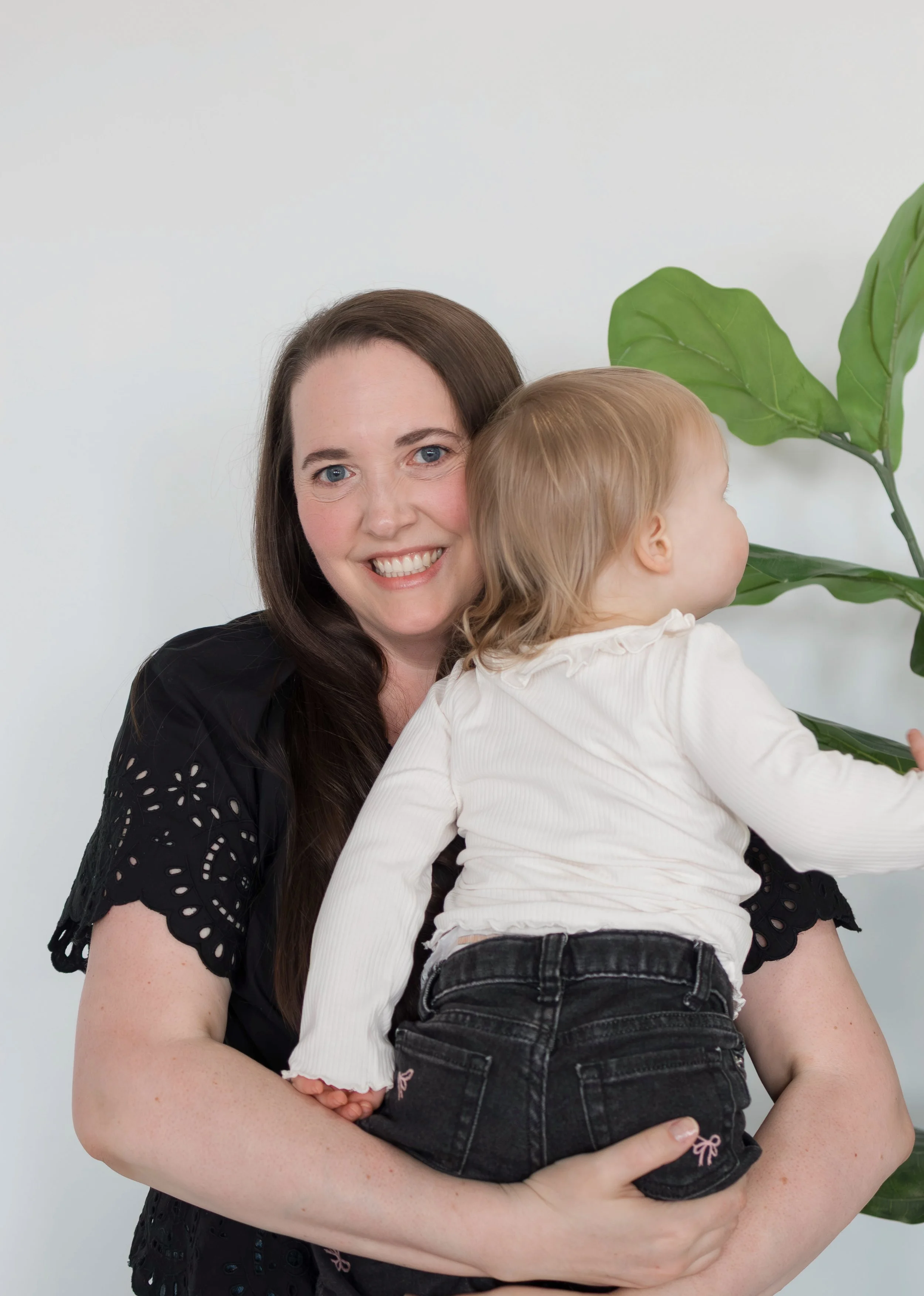
I’m Olivia Tomfohrde, a therapist who works with parents, children, and families in Eden Prairie, Minnesota. Parenting is challenging, I know, I’m in the midst of it myself! We don’t have to walk through challenges alone; therapy is a great way to get support, to figure out how to be the parent you want to be, and to learn how to be grounded through the ups and downs parenting throws at you..
